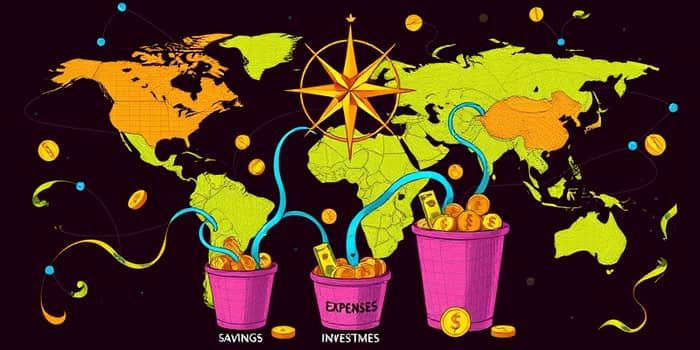
In an era of rising costs and economic uncertainty, achieving peace of mind starts with understanding exactly where your money goes each month. Too often, traditional budgets become rigid constraints rather than guides. A Money Map, by contrast, becomes a dynamic, visual blueprint tailored to your life, reducing stress and empowering you to steer toward your dreams.
By embracing this flexible approach, you’ll enjoy clear visual blueprint for your finances that highlights fixed obligations, reveals spending leaks, and automates progress toward meaningful goals. Let’s explore how to create a Money Map that secures both your present and your future.
What Is a Money Map?
A Money Map is more than a chart or spreadsheet. It’s a personalized diagram that shows your after-tax income flowing into distinct categories: essentials, discretionary spending, savings, debt repayment, and investments. Instead of micromanaging each transaction, you allocate money into “buckets” upon deposit and let automation handle the rest.
This approach emphasizes automate splits into money buckets so you can focus on life’s big decisions. It pivots when surprises arise, unlike rigid budgets that collapse under pressure.
Building Your Core Components
Start by listing all sources of after-tax income, from paychecks to side hustles. Then visually map out how each dollar should flow:
- Fixed Expenses: Non-negotiables like rent or mortgage, utilities, insurance, and loan payments. Treat these as your financial foundation.
- Variable Spending: Categories such as groceries, dining out, entertainment, and transportation. Identify “leaks” like unused subscriptions for reallocation.
- Savings Goals: Emergency fund, short-term needs, and high-yield accounts for liquidity and FDIC protection.
- Debt Repayment: Prioritize high-interest debts first to free up cash flow quickly.
- Investments: Diversified, low-cost options aligned with your timeline and risk tolerance.
Visual flowcharts or simple diagrams work best; color-code each bucket for instant clarity.
Benefits of Creating a Money Map
When you implement a Money Map, you unlock a range of advantages that traditional budgets rarely deliver:
- Full-picture view: See how daily spending connects to long-term milestones like homeownership or retirement.
- Reduce stress and decision fatigue: Automate transfers and eliminate guesswork.
- Align spending with personal values: Visual progress keeps you motivated and on track.
- Adaptable framework: Easily adjust buckets when income fluctuates or unexpected expenses arise.
2026 Trends: Why Now Matters
Recent data underscores the urgency of mapping your money:
As rising costs push almost six in ten households to cut back on daily luxuries, having a roadmap that prioritizes emergency reserves and safe, FDIC-insured vehicles becomes essential. Meanwhile, cybersecurity threats urge you to choose robust digital platforms to safeguard every bucket.
Steps to Create Your Money Map
Follow this clear sequence to put your plan into action:
- Calculate your total after-tax income and list all categories.
- Allocate funds first to fixed expenses, then to variable spending, savings, and investments.
- Automate transfers to each bucket the day funds arrive.
- Review monthly: check progress, adjust allocations, and celebrate milestones.
- Consult expert tools or a CFP-reviewed app for personalized recommendations.
Leveraging Tools and Technology
Modern platforms make it easier than ever to implement a Money Map without endless spreadsheets. Consider:
- Aggregation apps that connect all bank, credit, and investment accounts.
- Income-splitting services that auto-route money into multiple sub-accounts.
- Security-focused banks and custodians with robust encryption to thwart cyber threats.
By integrating these tools, you’ll minimize manual work and reduce stress and decision fatigue even further, freeing you to focus on building the life you want.
A Vision for 2026 and Beyond
As geopolitical shifts, AI-driven financial services, and generational preferences reshape the landscape, a Money Map remains your anchor. It helps you:
- Prepare for longer lifespans with protected income streams. - Pivot quickly when markets fluctuate. - Maintain clarity and calm, even amid uncertainty.
The psychological edge gained by visualizing progress fosters resilience. Remember, perfection is not the goal; steady forward momentum is.
Mapping your money is more than a one-time exercise—it’s a living plan that grows as you do. By empowering yourself with a Money Map, you’ll gain the confidence to navigate unexpected challenges and pursue your aspirations with unwavering focus.
Start today and chart a course toward lasting financial safety and freedom. Your future self will thank you for every dollar that was thoughtfully allocated, every goal consciously pursued, and every worry that was eased by a clear, actionable plan.
References
- https://www.fruitful.com/post/what-is-a-money-map
- https://www.intuit.com/blog/innovative-thinking/2026-financial-forecast-mindful-stress/
- https://www.preparedretirementinstitute.com/blog/money-maps-flexible-approach-financial-freedom
- https://omegasystemscorp.com/insights/blog/financial-firms-it-spending-trends/
- https://studymoney.us/activity/money-mapping-overview/
- https://rfi.global/financial-services-trends-predictions-key-insights-for-2026-consumer-strategy/
- https://financialfootwork.com/blogs/my-money-blog/money-mapping
- https://www.thelandgeek.com/blog-safe-investments-2026/
- https://www.youtube.com/watch?v=b-VJGqfwNzo
- https://www.freshfields.com/en/our-thinking/briefings/2026/01/the-year-ahead-in-financial-services-12-trends-to-watch-in-2026
- https://www.fidelity.com/learning-center/personal-finance/family-mapping
- https://www.ey.com/en_us/insights/financial-services/four-regulatory-shifts-financial-firms-must-watch-in-2026
- https://moneymap.io
- https://www.slalom.com/us/en/insights/financial-services-outlook-2026
- https://www.protectedincome.org/your-money-map/