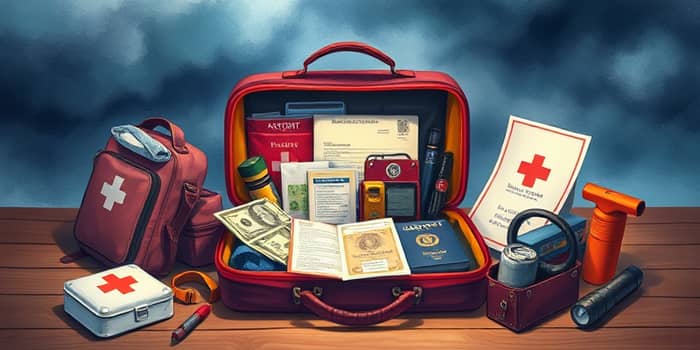
When a crisis unfolds—whether it’s a hurricane knocking out power grids or an earthquake toppling infrastructure—the confidence in everyday systems vanishes. ATMs go dark, card readers fail, and digital networks collapse. In those moments, having cash on hand becomes critical, and securing vital records can mean the difference between swift recovery and prolonged hardship. This guide empowers you to build a robust financial preparedness plan, integrate it with your survival kit, and reclaim control in any emergency.
Building Your Cash Reserves
Cash is king when electronic payments are unavailable. Small denominations allow exact transactions at roadside stands, fuel stops, or emergency shelters where change is scarce. Aim to carry $100–$200 in small bills in your grab-and-go bag, enough to cover three days of essentials: lodging, gas, and meals. For a family, multiply that cushion by household size and anticipated days on the road or in shelter.
- Store $1, $5, $10, and $20 bills only
- Keep an extra credit card with an available limit
- Consider traveler’s checks with recorded serial numbers
- Distribute cash in multiple hidden pouches
- Rotate bills every six months to avoid wear
Securing Your Vital Documents
When you need to prove identity, ownership, or insurance status, original records are irreplaceable. Gather certified copies and duplicates and store them in a waterproof and fireproof container such as a metal safe or portable pouch. A digital backup on encrypted drives or secure cloud storage ensures you can retrieve data if physical copies are destroyed.
Use FEMA’s Emergency Financial First Aid Kit to catalog everything with serial numbers and contact details. Update your inventory and backups every six months to reflect new purchases and life changes. Digital copies and physical backups together offer true redundancy.
Integrating Finances With Your Survival Kit
Financial preparedness is most effective when woven into a broader emergency kit. The core consists of six essentials: water, food, first aid, lighting and communication, tools, and sanitation supplies. Tie your monetary and document items into each category so that you never leave home without both physical and financial security.
- Water: Store one gallon per person per day, plus petty cash for purification supplies.
- Food: Non-perishables, manual can opener, and cash for resupply if ration runs out.
- First Aid/Medical: Seven-day prescriptions, allergy records, and funds for refills.
- Lighting/Communication: Hand-crank radio, extra batteries, and money to replace or recharge devices.
- Tools: Multi-tool, duct tape, and resources to secure or repair property.
- Sanitation/Hygiene: Soap, sanitation wipes, diapers or feminine products, and small bills to purchase additional items.
Maintaining and Updating Your Kit
Preparedness is a living project. Regular maintenance prevents obsolescence. Store all items in a dedicated grab-and-go bag or container that you can access instantly. Keep backup documents at a secondary location or safety deposit box.
- Check expiration dates and replace supplies every six months
- Video your home contents annually to update inventory
- Test radios and flashlights quarterly for functionality
- Review family contact plans and emergency procedures
Expert Insights and Common Pitfalls
Authorities such as FEMA and the Red Cross recommend three to six months of living expenses in separate emergency funds, plus a minimum of $100–$200 in cash for immediate needs. Experts warn against over-reliance on digital payment systems; power outages can turn plastic cards into useless scraps. In contrast, a well-prepared kit with both money and documents allows you to prove ownership and accelerate recovery when normal channels reopen.
Neglecting to carry small bills is a frequent oversight. Store the right denominations, refresh them often, and integrate your finances seamlessly with your overall survival strategy. A few simple precautions can turn a potentially devastating event into a manageable challenge.
Your emergency financial toolkit is more than a precaution; it’s a declaration of resilience. By preparing cash reserves, safeguarding documents, and uniting these elements with your core survival supplies, you build a fortress of security around your family’s future. Start today—assemble your kit, fortify your data, and practice your plan. With the right preparation, you’ll not only weather the storm but emerge ready to rebuild and thrive.
References
- https://www.remitly.com/blog/lifestyle-culture/emergency-preparation-checklist/
- https://readyresponsepa.com/post/emergency-preparedness-checklist
- https://content.ces.ncsu.edu/a-disaster-kit-for-staying-at-home
- https://www.redcross.org/get-help/how-to-prepare-for-emergencies/survival-kit-supplies.html
- https://www.apha.org/initiatives/get-ready/initiatives/clocks-and-stocks/top-10-essential-items-for-your-emergency-preparedness-stockpile
- https://www.berriencounty.org/1792/Preparing-an-Emergency-Kit