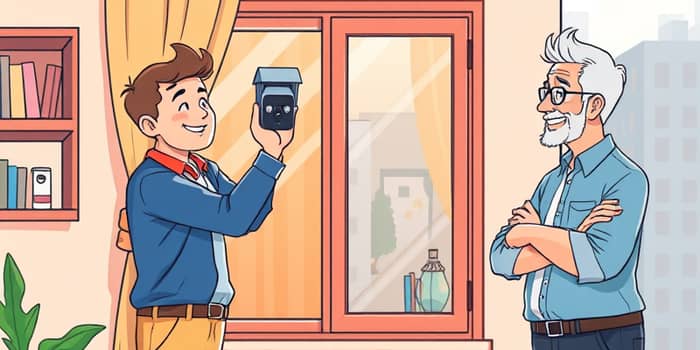
Discover how renters can boost home security, work with landlords, and safeguard peace of mind.
Understanding the Legal Landscape
Renters often feel vulnerable when considering home security without the ability to make permanent changes. It’s vital to recognize that installing devices without approval is a violation of the lease agreement in most jurisdictions. a fundamental legal requirement statutes prohibit tenants from drilling holes in walls, altering structural elements, or mounting equipment on doors and windows without landlord consent.
Landlords retain the right to enforce aesthetic standards and protect property value. Unauthorized installations can lead to deposit deductions, removal fees, or even eviction notices. By exploring the shared responsibility between tenants and landlords, residents can pursue safety enhancements while maintaining a positive rental relationship.
Essential Obligations of Landlords
Under premises liability law, landlords must provide certain baseline security measures in every rental property. All entry doors need properly functioning deadbolt locks and windows, particularly those on the ground floor, require secure latches. Adequate exterior lighting must cover hallways, stairwells, and parking areas to deter criminal activity.
Many property owners also choose to install keypads or intercom systems on multi-unit buildings, adding a layer of controlled access. While not universally mandated, these enhancements can significantly reduce incidents and qualify landlords for insurance discounts. When landlords opt for surveillance cameras in common areas, they must balance safety with tenants’ fundamental privacy rights by notifying residents and restricting recordings to public corridors.
Exploring Non-Invasive Security Solutions
- Portable security cameras that attach to shelves or window sills
- Smart locks that require no drilling or wiring
- Door reinforcement devices like adjustable braces
- Wireless motion sensors and alarms
These temporary devices empower renters to protect their homes without breaching lease terms. Smart doorbells with rechargeable batteries, window alarms that cling via magnets, and sensor lights plugged into existing outlets are all options that respect the property’s integrity. By choosing portable security cameras and sensors, tenants gain flexibility to move installations from one unit to the next.
Before setting up any device, submit clear written approval requests detailing the type of system, professional installers (if applicable), and equipment specifications. This open communication builds trust and ensures mutual understanding.
Collaborating for Mutual Benefit
Strong partnerships between tenants and landlords foster safer living spaces for everyone. Tenants can present proposals that outline:
- The scope of installation work and required alterations
- Expected costs, removal procedures, and restoration plans
- Compliance with local building codes and permitting requirements
Landlords may respond by scheduling inspections, approving licensed installers, or offering to upgrade shared security features themselves. Negotiating administrative fees or deposit conditions upfront avoids surprises at lease end and clarifies each party’s responsibilities regarding maintenance and removal.
Protecting Privacy and Respect
Competent security systems respect personal privacy. Surveillance must be confined to common areas when installed by property owners. Tenants placing cameras should avoid capturing footage of neighbors or public walkways to prevent illegal unauthorized surveillance violations. Monitoring your front porch or personal balcony is acceptable, but invasive views can lead to legal disputes.
Always review state laws concerning audio and video recording. In many regions, recording private conversations without explicit consent is illegal. By combining ethical awareness with technological safeguards, renters can enhance security while upholding community trust.
Insurance, Liability, and Peace of Mind
Any security upgrade should be accompanied by a review of insurance policies. Renters insurance often covers stolen belongings and certain damages, but may require notification about installed devices. Landlord policies benefit from evidence of reasonable security measures, reducing the risk of potential negligent security claims following criminal incidents.
By understanding state-specific regulations, both renters and landlords can ensure compliance and strengthen legal defenses. Clear documentation of installations, permits, and approvals is essential for resolving any post-incident claims efficiently.
Conclusion
Securing a rental home need not feel like an uphill battle. With open dialogue, creative non-invasive solutions, and a solid grasp of legal rights, renters can achieve enhanced safety and peace of mind without permanent alterations. Landlords investing in tenant security foster loyalty, reduce liability, and maintain property value. Together, this collaborative approach builds stronger communities where every resident feels protected and respected.
Embrace these strategies, draft your requests thoughtfully, and transform your rental into a truly resilient sanctuary.
References
- https://www.yourokcpropertymanager.com/can-tenants-install-a-security-system-without-landlord-permission
- https://www.outerbridgelaw.com/blog/essential-rental-property-security-features-landlords-must-provide/
- https://romclaw.com/what-types-of-security-measures-are-landlords-legally-required-to-provide/
- https://nlihc.org/resource/georgia-passes-new-tenant-protection-law-renters-establishing-minimum-habitability
- https://www.justia.com/real-estate/landlord-tenant/information-for-landlords/landlords-liability-for-tenant-safety/
- https://www.superlawyers.com/resources/landlord-and-tenant/tenant-rights/what-are-my-privacy-rights-as-a-tenant/
- https://www.dawsonpropertymanagement.com/protecting-tenants-privacy
- https://www.baymgmtgroup.com/blog/tenants-right-to-privacy/
- https://www.minut.com/blog/tenant-privacy-rights