Entering 2026, many Americans find themselves grappling with unexpected bills, rising costs, and dwindling savings. Yet, within these challenges lies an opportunity: to develop resilient financial habits that can weather any storm and foster lasting confidence.
In this comprehensive guide, we will illuminate the path from stress to stability, offering actionable steps and expert-backed strategies to help you take control of your finances and build a secure future.
Understanding Today’s Financial Landscape
The current economic climate is marked by heightened financial strain due to inflation, income gaps, and health-care costs. Recognizing the key stressors is the first step toward effective planning.
- 54% cite high daily expenses and 46% low income as top stress drivers.
- 39% lack emergency funds; 35% face mounting debt.
- 56% cannot cover a $1,000 emergency expense.
Regional and generational differences shape how people cope. For instance, Southerners and Midwesterners report lower emergency savings rates, while Gen Z and Millennials express sharp concerns about long-term security.
Building Your Emergency Fund
At the heart of financial resilience lies an adequate emergency savings cushion. Experts recommend saving 3–6 months of essential expenses, adjusting for job stability, household size, and income variability.
- Calculate your monthly bills (e.g., rent, utilities, insurance).
- Open a dedicated high-yield savings account or money market.
- Automate transfers: even $25 weekly can grow to over $1,000 annually.
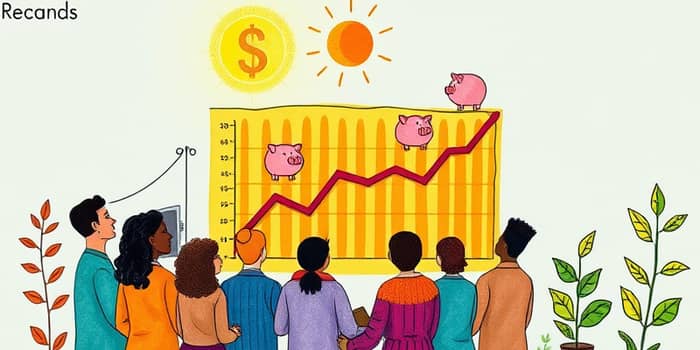
To illustrate generational progress, consider the data below:
Maintaining this fund not only curbs anxiety but also prevents high-interest debt when emergencies strike. Remember, small, consistent contributions build long-term financial security.
Effective Debt Management
Debt can quickly erode progress if left unchecked. Choosing the right payoff method aligns with your personality and financial goals.
- Snowball method: Pay smallest balances first to build momentum.
- Avalanche method: Target highest-interest debts to minimize costs.
- Refinance or consolidate high-rate credit cards into a lower-rate loan.
By reducing debt systematically, you free up cash flow for saving and investing, turning a vicious cycle into a virtuous one.
Mastering Budgeting and Saving
A clear budget acts as your financial roadmap. Begin by tracking income, expenses, and recurring payments. Categorize necessities versus discretionary spending to identify opportunities for trimming.
Tools such as spreadsheets or apps can automate tracking. Aim to allocate at least 20% of net income to savings and debt repayment. Adjust as you reach milestones: increase contributions when raises or bonuses arrive.
Cultivate mindful spending habits by pausing before non-essential purchases. Ask whether an item aligns with your goals, or if those funds might serve better in your emergency fund or retirement account.
Investing for the Future
Once you’ve built a solid foundation, redirect efforts toward growth. Contribute regularly to employer-sponsored plans (401(k), 403(b)) especially to capture any matching contributions—free money that accelerates progress.
Supplement retirement accounts with IRAs or brokerage investments. Diversification across stocks, bonds, and index funds can smooth returns and mitigate risk over time. The earlier you start, the more power of compounding works in your favor.
Collaborate with a certified financial planner to tailor asset allocations that match your risk tolerance and timeline. Whether saving for a home, college, or golden years, disciplined investing creates lasting financial momentum.
Looking Ahead with Confidence
Financial preparedness isn’t a one-time project but a lifestyle. Schedule quarterly reviews to adjust budgets, revisit goals, and celebrate progress. These checkpoints reinforce accountability and highlight areas needing refinement.
Engaging with a community—whether friends, family, or online forums—provides support and fresh ideas. Share triumphs and challenges, and draw inspiration from others who have overcome similar hurdles.
Above all, maintain optimism. According to recent surveys, over 40% of Americans believe their finances will improve in the coming year. Let that confidence fuel your actions: plan deliberately, save relentlessly, and invest wisely.
Your financial future is crafted by the choices you make today. Embrace foresight: with clear goals, disciplined habits, and an unwavering commitment, you can prepare for anything life throws your way—and thrive in the process.
References
- https://401kspecialistmag.com/americans-face-financial-strain-moving-into-2026/
- https://www.texasbaycu.org/articles/how-to-budget-save-eliminate-debt-and-invest-for-2026--your-new-year-financial-plan
- https://www.foxbusiness.com/media/nearly-half-americans-feel-financially-behind-2025-comes-close-poll-shows
- https://www.tiaa.org/public/learn/financial-education/building-an-emergency-fund
- https://www.aicpa-cima.com/news/article/americans-set-ambitious-financial-goals-for-2026-but-rising-cost-of-living
- https://www.principal.com/individuals/learn/emergency-savings-learn-how-start-them-how-maintain-them
- https://www.bankrate.com/banking/savings/emergency-savings-report/
- https://investor.vanguard.com/investor-resources-education/emergency-fund
- https://newsroom.fidelity.com/pressreleases/fidelity-s-17th-annual-resolutions-study--americans-preparing-for-a-year-of--planning-with-purpose-/s/fc3d5689-e2a4-433b-8048-d56053f283e0
- https://theabcbank.com/10-unexpected-sinking-funds-to-add-in-2026/
- https://www.wabe.org/how-to-build-an-emergency-fund-pay-off-debt-and-make-a-plan-for-your-money-in-2026/
- https://www.intuit.com/blog/innovative-thinking/2026-financial-forecast-mindful-stress/
- https://www.chase.com/personal/banking/education/budgeting-saving/how-much-should-i-have-in-emergency-fund
- https://www.brookings.edu/articles/economic-issues-to-watch-in-2026/