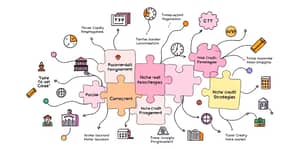
In the ever-evolving landscape of finance, mastering the art of credit investment is not just about numbers; it's about building a solid foundation. Credit frameworks serve as the bedrock for evaluating risk and opportunity, transforming chaos into clarity.
Whether you're a seasoned investor or just starting, understanding how to architect these frameworks can unlock new levels of success. Systematic structures guide decisions, ensuring that every move is calculated and informed.
This article will walk you through the essentials, from core concepts to practical implementation. Embrace the role of a credit architect to craft portfolios that are resilient and rewarding.
The Foundation: Understanding Credit Frameworks
At its heart, a credit framework is a structured approach to assessing creditworthiness. It helps lenders and investors make consistent and fair decisions.
By integrating various factors, it provides a comprehensive view of potential risks and returns. Consistent evaluation mitigates defaults, protecting both parties involved.
Benefits of implementing a robust framework are numerous and impactful.
- Ensures fairness and transparency in lending processes.
- Reduces risk through systematic analysis and monitoring.
- Enhances financial stability and contributes to economic growth.
- Provides mobility in education contexts by recognizing alternative credits.
Core Components of a Credit Framework
A well-designed framework integrates multiple elements to handle risk comprehensively. Each component plays a specific role in the evaluation process.
Integration of these components ensures holistic risk handling. Holistic approaches enhance decision-making accuracy, making the framework robust and adaptable.
In traditional credit risk management, frameworks often include five core elements.
- Risk identification in financial transactions and borrower profiles.
- Measurement and analysis of potential defaults and losses.
- Mitigation strategies such as collateral and insurance.
- Reporting and measurement for transparency and accountability.
- Governance to uphold standards, ethics, and regulatory compliance.
Building Your Framework: A Step-by-Step Guide
Constructing a credit framework requires careful planning and execution. Start by establishing clear policies that define your credit granting criteria.
Credit evaluation should be thorough, using history and income data. Assess debt-to-income ratios accurately to gauge repayment ability and set realistic limits.
Follow these steps to build and implement your framework effectively.
- Define credit granting criteria and application processes tailored to your needs.
- Customize policies to align with organizational risk appetite and business goals.
- Conduct comprehensive financial analysis for each borrower or investment case.
- Implement credit scoring models for consistency and quantitative assessment.
- Use risk-based pricing to balance risk and reward, adjusting rates or limits accordingly.
- Regularly monitor credit quality and adjust strategies based on performance and market changes.
For private credit portfolios, segmentation is key to diversification. Asset-based lending offers significant diversification benefits, often recommended for stability and lower correlation to earnings.
Consider various segments to enhance your portfolio construction.
- Corporate direct lending to private equity-backed companies for growth opportunities.
- Asset-based lending collateralized by assets like consumer credit or mortgages.
- Niche strategies such as litigation finance, royalty securitization, or venture lending.
- Senior credit for priority in repayment and lower risk.
- Junior credit for higher yields but with subordinated positions.
The Role of Private Credit in Modern Investment
Private credit has become a cornerstone of sophisticated investment strategies. It offers unique advantages that complement traditional assets.
Diversification is a major draw, as debt has a different risk profile from equity. Liquidity advantages through repayment priority provide safety in volatile markets.
Floating rates can hedge against interest rate changes, protecting returns. Convertible instruments blend debt and equity features, offering upside potential.
Fund structures are designed for efficiency, with reporting at fair value using discounted cash flow models. Investors must critically monitor borrower operations and credit quality to manage risks.
Advanced Tools and Strategies for Enhancement
Leverage technology to elevate your credit framework. Platforms like iCapital's Architect enable advisors to design portfolios with alternatives and structured investments.
These tools provide features that automate and optimize the investment process. Build paths and e-signatures streamline workflows, making management more efficient and compliant.
Key features of advanced portfolio construction tools include:
- Automated portfolio design with a focus on enhanced returns and downside protection.
- Income generation strategies through structured investments.
- Order workflows that simplify execution and reduce manual errors.
- E-signatures for seamless documentation and approval processes.
- Real-time reporting and analytics for informed decision-making.
Navigating Risks and Tradeoffs
Every credit framework must account for potential pitfalls and make informed tradeoffs. Understanding these elements is crucial for long-term success.
Default risk is a primary concern, but it can be mitigated through collateral and seniority in repayment. Economic factors play a crucial role in credit quality, so stay vigilant to macroeconomic trends.
Key risks and tradeoffs to monitor and address include:
- Default risk can be mitigated by using collateral and prioritizing senior credit positions.
- Credit quality deterioration requires constant monitoring and adjustment of spreads.
- Blind-pool risk is reduced by investing in secondary markets with seasoned assets.
- Tradeoff: Senior credit offers lower yields with repayment priority, while junior credit has higher yields but more risk.
- Tradeoff: Primary investments have longer deployment times, whereas secondaries provide quicker access.
- Tradeoff: Niche strategies offer specialization, while corporate lending has broader correlation.
Conclusion: Becoming a Credit Architect
Becoming a credit architect means mastering the balance of risk and reward in the financial world. By building robust frameworks, you can navigate complexities with confidence and precision.
Start with the basics, incorporate advanced tools, and always be prepared to adapt to changing conditions. Your journey towards financial mastery begins now, with each decision shaping a stronger and more resilient portfolio.
Embrace the principles outlined here, and you'll be well on your way to crafting investment frameworks that stand the test of time. Remember, the goal is not just to invest, but to build a legacy of smart, sustainable credit management.
References
- https://fastercapital.com/content/Credit-Framework--What-is-a-Credit-Framework-and-How-to-Follow-It.html
- https://www.cbiz.com/insights/article/private-credit-investing-exploring-private-credit-architecture-and-credit-quality
- https://gdslink.com/how-to-build-a-credit-risk-management-framework/
- https://www.harbourvest.com/insights-news/insights/framework-private-credit-portfolio-construction/
- https://www.nuveen.com/global/insights/equilibrium/the-new-architecture-of-institutional-credit?type=us
- https://icapital.com/architect/