In the challenging landscape of 2026, consumers face a paradox: resilience amid persistent economic pressures. Inflation forecasts ranging from 2.3% to 4.8% and slowing GDP growth at 1.8% challenge households to rethink spending habits.
Across income tiers, the picture varies dramatically. Higher-income families have expanded their base consumption by 6% versus 2019, while lower-income cohorts grapple with declining share and elevated financial stress.
Yet within this complex scenario lies an opportunity. By adopting intentional strategies and cultivating a mindset of abundance through careful choices, households can build lasting security and even find moments of joy in small celebrations.
This article explores the core challenges, actionable tactics, demographic insights, and wellness priorities that empower the calm consumer to thrive in 2026’s resilient yet pressurized economy.
Understanding the Economic Pressures
For 37% of U.S. consumers, inflation stands as the primary financial concern, a figure that climbed sharply in late 2025. Monthly gains in personal consumption expenditures of +0.4% to +0.6% through mid-2025 underlined the tenacity of price increases.
At the same time, a K-shaped divergence has emerged: higher-income groups drive over half of total spending and enjoy flexible budgets for travel and entertainment. Conversely, 25% of lower-income households report living paycheck-to-paycheck, and periodic SNAP disruptions amplify their vulnerability.
Non-discretionary costs have peaked at four-year highs, with housing and healthcare leading the climb. These essentials consume a larger share of income, leaving limited room for discretionary choices and making strategic planning more critical than ever.
Despite these headwinds, aggregate spending grew at the 2024 pace in 2025 and received a boost from tax refunds at the start of 2026, highlighting consumer resilience even when many expected a steeper pullback.
Core Strategies for Secure Spending
Amid these pressures, adopting a clear framework can transform uncertainty into opportunity. The core principle centers on prioritizing essentials before discretionary purchases to ensure your fundamental needs are always covered.
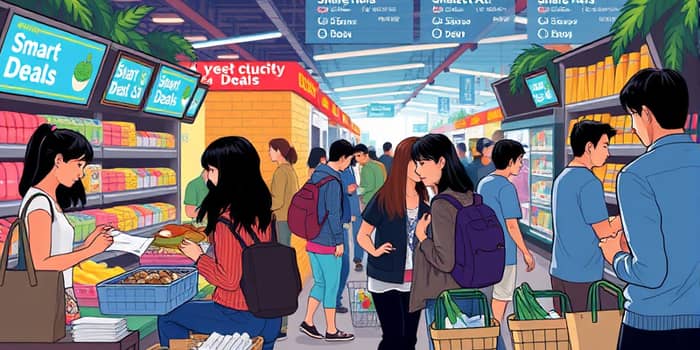
First, embrace value-seeking behaviors that have surged in importance. Digital shopping trips have grown by 2 percentage points to account for part of the 2.6 billion CPG/GM/QSR visits, reflecting an increased comfort with online deals and promotions.
- Track and leverage promotions, digital coupons, and subscription savings to lower everyday costs without compromising quality.
- Consider private label alternatives, which have gained traction among younger shoppers and often match flagship brands in performance.
- Reduce the number of shopping trips and units purchased per trip to avoid impulse buys and maintain budget discipline.
Next, adopt the mindset of shift to 'less but better' consumption. By focusing on high-value items that deliver durability, functionality, or enduring satisfaction, consumers can minimize waste and maximize impact.
For instance, investing in one high-quality winter coat may prove more cost-effective than replacing multiple low-end jackets over time. Such decisions reinforce financial security and align spending with personal values.
Illustrative Secure Spending Scenarios
Understanding how different categories behave under economic stress can guide more informed choices. The table below illustrates key trends and how a secure spending angle applies to each.
By aligning each spending decision with security priorities—covering essential bills first, then allocating a portion of surplus for mental wellness “treats”—you can maintain balance even when budgets are tight.
Leveraging Demographic Strengths
Consumer behaviors vary significantly across age and income groups. By examining these distinctions, you can borrow tactics that resonate with your life stage and financial reality.
- Gen Z and Millennials (85% celebrating “minorstones”): These groups prioritize small victories like paying down debt or achieving a savings milestone. They outspend Boomers on wellness products and digital services, showcasing a willingness to invest in self-care.
- Gen X: Currently leading total spending, this cohort often juggles family obligations and household upkeep, motivating practical choices like bulk buying and loyalty programs.
- Higher-Income Households: With inflation-adjusted spending up 6% since 2019, they demonstrate how flexibility and savings cushions can unlock discretionary spending without jeopardizing security.
- Movers and Early Retirees: Significant expenditures tied to moves, home renovations, and leisure travel can be managed by scheduling expenses in advance and seeking bundled service deals.
Adapting elements from each group’s approach—such as the Millennials’ focus on small celebrations or Gen X’s loyalty-driven discounts—can enrich any budget strategy and foster sustainable security.
Prioritizing Health and Wellness for Long-Term Security
Health has transcended performance metrics to become a holistic pursuit that safeguards both body and mind. In 2026, stability in the health sector means choosing products and services that deliver consistent, measurable benefits.
- Emphasize nutrient density with high-protein foods, probiotics, and functional hydration solutions.
- Adopt clean-label products with transparent ingredient lists for food, beauty, and home care.
- Explore innovations like GLP-1 medications, recognizing their potential to support long-term wellness goals.
- Engage with fitness apps and wearables, benefiting from a sector that has grown 30% year-over-year since 2023.
These choices represent clean living with minimal ingredients and reflect the broader consumer shift toward sustainable well-being investments. When health is secured, individuals report greater confidence in managing other areas of their financial lives.
Future-Proofing Your Spending Outlook
The external policy environment—from tariffs that add to consumer goods prices to immigration shifts affecting labor markets—continues to influence affordability. Staying abreast of these developments ensures that your budget remains adaptable.
Consider automation tools for savings and bill payments to guard against overlooked deadlines. Where appropriate, use buy-now-pay-later options to smooth cash flow, always verifying that repayment schedules fit your long-term plan.
Emerging technologies in social commerce and AI-based deal-finding can save both time and money. Personalized dashboards and alerts present curated promotions, helping you avoid the fatigue of endless comparison and focus instead on high-impact opportunities.
Conclusion: Cultivating Calm and Control
In the resilient yet pressurized economy of 2026, achieving financial security hinges on thoughtful, value-driven decisions. By leveraging promotions, prioritizing essentials, and celebrating minorstones, you can forge a path of calm and control.
Start by mapping out non-negotiable expenses and building a clear, flexible budget that accommodates both necessities and occasional small rewards. Reinforce your strategy with demographic insights, wellness investments, and technology-enabled savings tools.
Ultimately, the calm consumer mindset transcends simple austerity. It embodies balance between short-term treats and long-term goals, ensuring that each spending choice contributes to both emotional well-being and financial resilience.
Embrace this approach to navigate uncertainty with confidence. In doing so, you transform economic challenges into opportunities for stability, empowering yourself and your household for whatever lies ahead.
References
- https://www.numerator.com/visions-consumer-trends/
- https://www.pbig.ml.com/articles/2026-consumer-outlook.html
- https://porchgroupmedia.com/blog/data-strategy-outlook/
- https://www.conference-board.org/topics/consumer-confidence/index.cfm
- https://institute.bankofamerica.com/consumer-checkpoint.html
- https://www.bea.gov/data/consumer-spending/main
- https://www.uschamber.com/co/good-company/launch-pad/black-friday-marketing-trends
- https://www.deloitte.com/us/en/insights/topics/economy/consumer-pulse/state-of-the-us-consumer.html
- https://www.gwi.com/connecting-the-dots
- https://www.salsify.com/blog/shopper-spending-changes-in-2026